
First Bay Dive Site in Aqaba: A Sheltered Shallow Reef for Easy Dives
Dive Sites
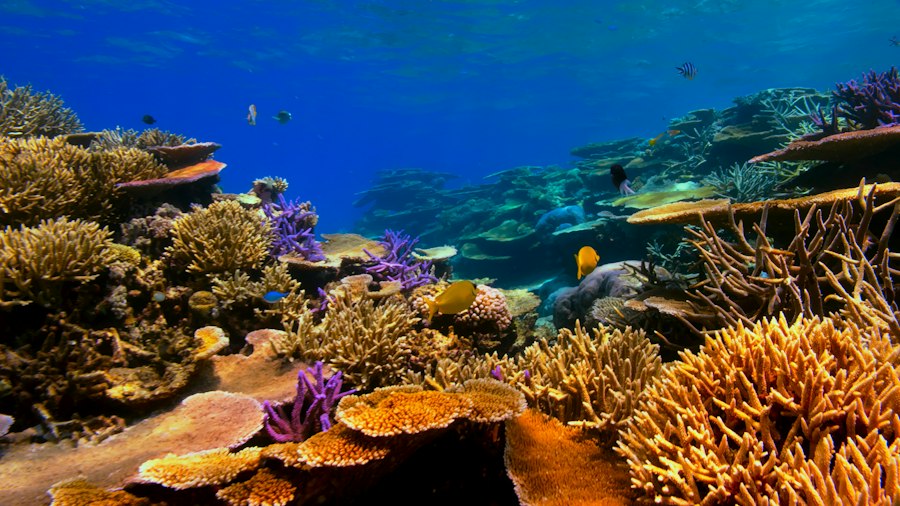
Some dives are about adrenaline; First Bay is about comfort. The First Bay dive site in Aqaba is a shallow fringing reef on Jordan's Red Sea coast, tucked into a bay that shelters it from wind and current, with a depth range of 5–18 m that matches an Open Water certification exactly. You can dive it as a slow, fixed reef dive or as a gentle north-to-south drift, and either way it makes a sensible warm-up or second dive of the day. Here is what the reef looks like, how to recognize the fire coral that grows on it, who can dive it and how to book with Aqaba Dive Academy.
| Quick facts | |
|---|---|
| Depth | 5–18 m |
| Level | Beginner-friendly; suits newly certified Open Water divers and refresher dives |
| Access | Shore |
| Dive type | Sheltered shallow fringing reef with fire corals and sandy patches; fixed dive or gentle drift |
| Highlights | Fire-coral formations, hard-coral outcrops, anthias and damselfish, rays and flatfish on the sand |
| Best for | New divers, warm-up dives, a relaxed second dive, a first taste of drift diving |
| Nearby sites | Japanese Garden, Seven Sisters, King Abdullah Reef, Coral Garden |
Where is First Bay and what does the dive look like?
First Bay sits on the South Beach coast south of Aqaba, part of the fringing reef that lines most of Jordan's shoreline. It is a shore dive: you gear up on the beach, walk in from a designated entry point and descend over a shallow sandy area before the reef begins at around 5 m.
The reef is a classic fringing structure. Hard-coral outcrops rise from a gently sloping bottom, separated by patches of pale sand, down to about 18 m. Because the bay is protected there is little swell, visibility is usually in Aqaba's normal 15–40 m range, and with water at about 21 °C in winter and 27 °C in summer the site is dived all year.
Fixed dive or gentle drift: two ways to dive First Bay
Most of the Gulf of Aqaba has mild or no current, but First Bay is one of a few sites, along with Power Station and Moon Valley, where a gentle north-to-south drift can be used, so your guide has two options.
On a fixed dive, you follow the reef in one direction at a chosen depth, turn at an agreed air pressure or time, and return along a shallower line to the same exit.
On a drift dive, you enter at the northern end, let the light current carry you south along the reef and exit at a point your guide has planned further down the beach. You hardly need to fin, the reef scrolls past, and you cover more ground on the same tank. Because the current is gentle and the bottom never deep, many divers try drift diving here for the first time before Power Station. The rules do not change: stay with the group, keep your buddy in sight and let the guide set the pace.
Fire coral in Aqaba: how to recognize it and why you never touch it
The signature of First Bay is its fire coral. Despite the name it is not a true stony coral but a hydrozoan, closer to jellyfish than to the corals around it, and it grows here in plates and blunt branches of a mustard or yellow-brown color with pale tips. Its stinging cells cause a burning sensation on contact that can leave a rash for hours.
It poses no danger if you keep your distance, and the reserve's no-gloves rule works in your favor: bare hands remind you to keep them to yourself. Trim your buoyancy before the reef, keep your fins up when you turn, and never steady yourself on anything. If you brush against it, do not rub the area; tell your guide after the dive. For other local hazards, from lionfish to sea urchins, read our scuba diving safety guide for Aqaba.
What will you see at the First Bay dive site in Aqaba?
The hard-coral outcrops are the engine of the reef. Clouds of orange anthias hover above them and dip back into the branches when a shadow passes, damselfish defend their small territories, and wrasse move between the heads in a constant search for food. Butterflyfish patrol in pairs along the reef edge.
The sandy patches deserve as much attention. Rays settle between the outcrops, and flatfish lie so well camouflaged that most divers pass without noticing. Slow down, look for an outline rather than a fish, and First Bay reveals a second cast of characters.
Who can dive First Bay, and when should you dive it?
First Bay is a beginner site in the best sense. Its 18 m floor matches the depth limit of the PADI Open Water Diver course, so a freshly certified diver can enjoy the whole reef without constraint. It is also a sensible check dive after a break: calm conditions, an easy entry and nothing to distract you from getting weighting and buoyancy right.
Experienced divers use it differently: as the second dive after a deeper morning on a wreck or wall, because a shallower second dive keeps nitrogen loading sensible and extends bottom time, or as a warm-up on the first day of a trip before the Cedar Pride and the deeper reefs. If you are not yet certified, our guide to learning to dive in Aqaba explains the options, from a supervised try-dive to a full course.
Protecting First Bay and the Aqaba Marine Reserve
The fringing reefs of the South Beach coast lie within or beside the Aqaba Marine Reserve, created as a marine park in 1997 and declared Jordan's first marine reserve in 2020. Divers follow its rules: no touching, standing on or collecting coral and shells; no gloves; no fishing or feeding; entry only from designated points; no litter. On a drift dive, resist the urge to grab a coral head when the current moves you: the reef is fragile, the fire coral stings, and buoyancy control is a better anchor. Reef-safe sunscreen completes the picture, and our guide to Aqaba's coral reefs and responsible diving goes into more detail.
Nearby dive sites to combine with First Bay
First Bay sits among the shallow reefs of the southern coast, so a two-dive day from shore is easy to plan. Combine it with the Japanese Garden, whose large coral heads begin at 5 m; with Seven Sisters and its seven pinnacles in under 10 m; with King Abdullah Reef for a chance of turtles along the slope; or with Black Rock, the training site that pairs well with it for new divers.
Book this dive with Aqaba Dive Academy
Aqaba Dive Academy guides First Bay as a shore dive in small groups, run as a fixed reef dive or a gentle drift depending on conditions and your experience. Our instructors hold PADI 5-Star and CMAS credentials, full equipment can be added to your booking, your underwater photos are free, and we collect you anywhere in Aqaba at no cost. Guided dives start from $30. Visit the First Bay dive site page, book your dive online, or WhatsApp us at +962 79 264 5333 with your dates and certification level.
FAQ
How deep is the First Bay dive site in Aqaba?
First Bay ranges from about 5 m at the top of the reef to about 18 m at its deepest point, which is exactly the limit of a PADI Open Water certification.
Is First Bay a drift dive?
It can be. When a gentle north-to-south current is running, your guide can plan a one-way drift along the reef; on other days it is a simple out-and-back reef dive.
Do I need a certification to dive First Bay?
An Open Water certification, or the CMAS One-Star equivalent, covers the full depth range when you dive with a guide. If you are not yet certified, ask about a Discover Scuba Diving experience and we will choose the right site for it.
Is fire coral dangerous?
Only if you touch it. The sting burns and can leave a rash, but a diver who keeps hands off the reef and stays neutrally buoyant is at no risk. Dive without gloves, as the reserve requires, and give it a wide berth.
Is First Bay a shore dive or a boat dive?
It is a shore dive with an easy entry from the beach; no boat is needed.
Ready to dive? Book with Aqaba Dive Academy or call +962 79 264 5333.
Book now