
Diving Kiwi Reef in Aqaba: A Dozen Coral Pinnacles on One Multi-Level Boat Dive
Dive Sites
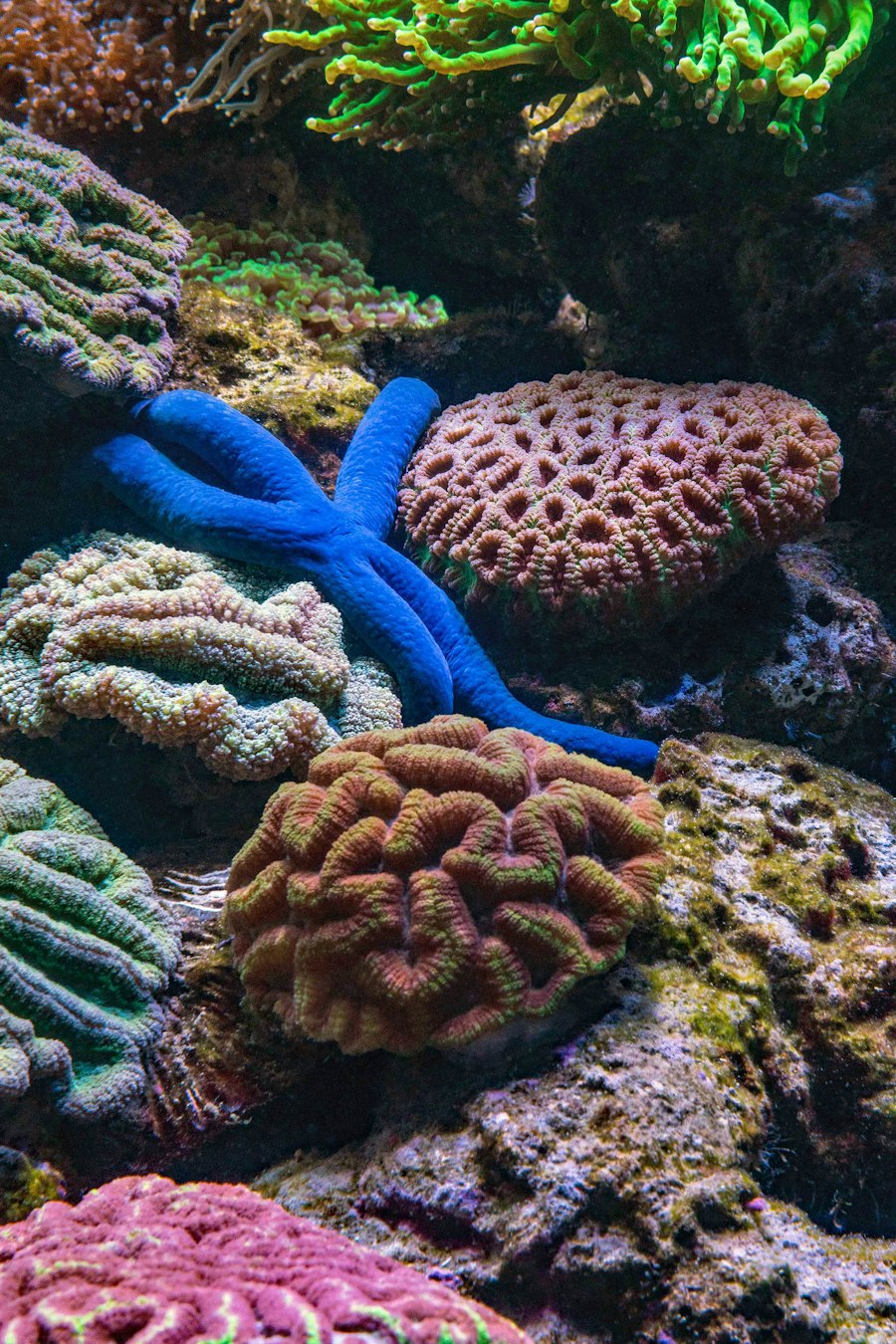
Some sites you swim along; Kiwi Reef in Aqaba is one you move through. More than a dozen coral pinnacles stand scattered across the seabed at different depths, from around 5 m at the shallowest tops to 30 m at the deepest bases, and a single dive can thread between many of them. The site is reached only by boat, which keeps it quieter than the shore sites, and it rewards divers who plan a multi-level profile and keep an eye on their navigation and air. This guide covers the layout, the dive plan, the marine life and who can join this Gulf of Aqaba boat trip on the Red Sea.
| Quick facts | |
|---|---|
| Depth | 5–30 m |
| Level | All levels; depth and route set by the guide |
| Access | Boat only |
| Dive type | Cluster of coral pinnacles; multi-level dive |
| Highlights | More than a dozen pinnacles, hard and soft corals, groupers and snapper, lionfish in overhangs |
| Best for | Divers who enjoy navigation, multi-level profiles and boat diving |
| Nearby sites | Japanese Garden, Seven Sisters, King Abdullah Reef, Coral Garden |
Kiwi Reef Aqaba: depth, layout and why it is boat only
Kiwi Reef lies off the southern coast of Aqaba, far enough from the beach that there is no practical shore entry. The boat ride from South Beach is short, and the boat ties to a mooring above the cluster. Below, the pinnacles rise from a sandy seabed at a range of depths: some top out at about 5 m, some stand in the 10–20 m band, and the deepest bases rest at around 30 m.
Each pinnacle is a self-contained reef with its own overhangs, coral cover and residents, and the sand between them is open ground where rays and larger fish pass through. Because the towers are spread out, no two dives follow exactly the same route; your guide chooses a loop based on the group's level, the light and where the fish are that day. Conditions are typical of the Gulf of Aqaba: little or no current, a calm surface, and visibility that commonly reaches 15–40 m. Water temperature sits around 21 °C in winter and 27 °C in summer.
Planning a multi-level dive at Kiwi Reef
The spread of depths makes Kiwi Reef a textbook multi-level dive. The standard approach is to descend to the deepest pinnacles you plan to visit first, spend a short time there, and then work gradually shallower from tower to tower, so that each stage of the dive absorbs less nitrogen than the last and your no-decompression time stretches further. By the time you reach the 5 m tops, you are effectively doing an extended safety stop surrounded by coral.
Your dive computer handles the arithmetic, but the plan still needs discipline. Agree the deepest point and the turnaround pressure in the briefing, check your gauge at every pinnacle, and keep the 50 bar reserve untouched. The payoff is a long, varied dive that visits both the deep groupers and the sunlit shallows without pushing any limit.
What will you see on the Kiwi Reef pinnacles?
Hard and soft corals cover the pinnacles from base to top, and the fish are arranged by depth. Around the deeper towers, groupers hold station in the shadows and snapper gather in loose schools along the flanks. Lionfish tuck into the overhangs on almost every pinnacle, so look under ledges before you look over them. In mid-water, fusiliers sweep between the towers in long lines, and the upper slopes are busy with anthias and butterflyfish.
Keep an eye on the sand and the open water too. Rays settle in the gaps between pinnacles, and larger fish cruise the edge of visibility where the cluster meets the blue. The variety across a single dive, from deep predators to shallow reef fish, is what sets Kiwi Reef apart from the single-reef sites along the shore.
Who can dive Kiwi Reef?
Kiwi Reef is an all-levels site, with one condition: your depth is set by your certification and your guide. Open Water divers stay within 18 m and still see most of the pinnacles, because many tops are well inside that range. Advanced divers can include the 30 m bases in the plan. Discover Scuba Diving participants are better suited to the shallow shore sites, since Kiwi Reef is a boat dive with a genuine multi-level profile.
The site is a natural classroom for two parts of the PADI Advanced Open Water course: the Underwater Navigation dive, with its clear landmarks and compass legs between towers, and the Deep dive on the lower pinnacles. If you want to sharpen those skills, our guide to advanced diving courses in Aqaba shows how the course fits into a diving holiday.
Navigation and air management tips for Kiwi Reef
Treat the pinnacles as waypoints. Note the depth and a distinctive feature of each tower as you pass it, keep the direction of the mooring line in mind, and take a compass bearing whenever you cross open sand between towers, because the sand gives no reference. Your guide leads, but following the route yourself keeps you oriented if the group spreads out.
For air, the rule is simple: check more often than you think you need to. Swimming between towers burns more gas than hovering on one, and the deeper pinnacles drain a tank quickly. Signal your pressure to the guide at each stop, start heading shallower earlier rather than later, and plan to arrive at the shallow tops with enough air to enjoy them. Divers who follow this pattern often log their longest dive of the week here.
Diving responsibly in the Aqaba Marine Reserve
Kiwi Reef sits in the protected waters of Aqaba's southern coast, where the rules of the Aqaba Marine Reserve apply. The boat uses the mooring rather than an anchor, which matters on a site made of fragile coral towers. In the water, keep your distance from the overhangs when you peer into them, do not wear gloves, do not touch or feed anything, and watch your fins as you turn around a pinnacle, since the coral is behind you as well as in front. Multi-level diving rewards good buoyancy, and so does the reef. Read our article on Aqaba's coral reefs and responsible diving for the full set of guidelines.
Nearby dive sites to combine with Kiwi Reef
Since Kiwi Reef is boat only, it suits a two-dive trip. A second stop at the Japanese Garden or Seven Sisters keeps things shallow and relaxed, and King Abdullah Reef or the Coral Garden are reliable choices too. Divers with Advanced certification who like pinnacle diving should also read about Gorgone I & II, where two towers carry large sea fans at 20–29 m. For the bigger picture, see our complete guide to scuba diving in Aqaba.
Book this dive with Aqaba Dive Academy
Aqaba Dive Academy, a PADI 5-Star center offering CMAS certification as well, takes small guided groups to Kiwi Reef by boat from South Beach. Our instructors plan the multi-level route to your level, brief the navigation and air checks in advance, and photograph your dive free of charge. Full equipment can be arranged, transport from anywhere in Aqaba is included when you book, and guided dives start from $30. See the Kiwi Reef dive site page, book your boat dive online, or contact us on WhatsApp at +962 79 264 5333.
FAQ
How deep is Kiwi Reef in Aqaba?
The pinnacles range from about 5 m at the shallowest tops to 30 m at the deepest bases, which is why the site is dived as a multi-level profile.
Can beginners dive Kiwi Reef?
Yes. The site is open to all certified levels. Open Water divers stay within 18 m, and many pinnacles have their tops well inside that depth. Advanced divers can add the deeper bases.
Is Kiwi Reef a shore dive?
No. Kiwi Reef is reached only by boat, a short ride from South Beach, and the boat moors above the pinnacles.
What is a multi-level dive?
A dive in which you visit the deepest point first and then spend the rest of the dive progressively shallower. It extends your no-decompression time compared with staying at one depth, and Kiwi Reef's spread of pinnacle depths is ideal for it.
How many pinnacles are there at Kiwi Reef?
More than a dozen coral pinnacles stand at varying depths across the site. A single dive usually visits several of them rather than all.
Ready to dive? Book with Aqaba Dive Academy or call +962 79 264 5333.
Book now