
Scuba Diving Safety Rules: The Complete Guide for Diving in Aqaba
Dive Safety
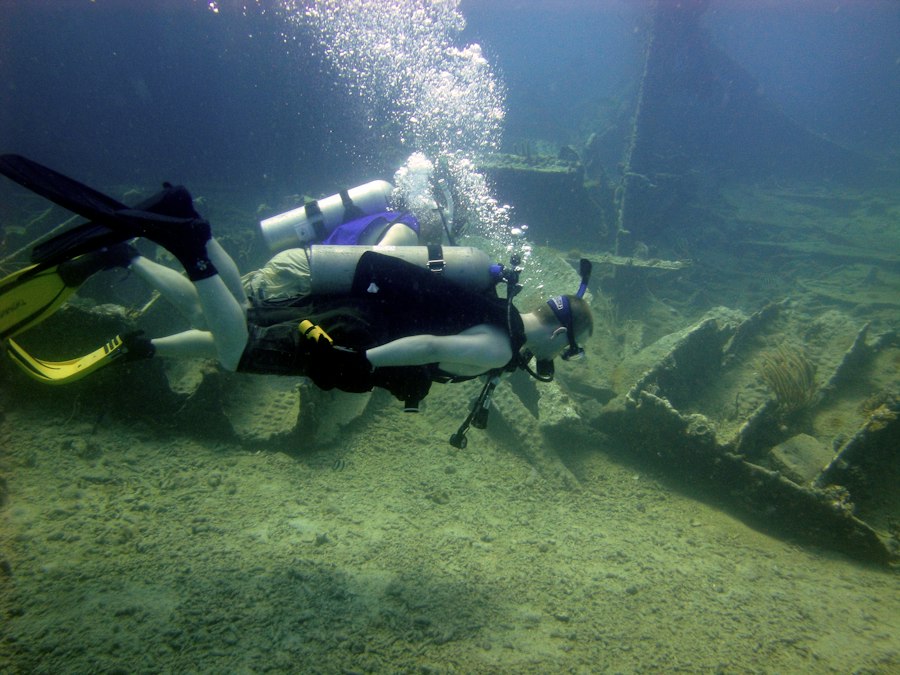
Diving is a safe sport when you follow a short list of rules, and most incidents trace back to one of them being skipped. This guide collects the scuba diving safety rules every diver should know, from the medical questionnaire to the safety stop, and adds what is specific to Aqaba: its sheltered Red Sea conditions, its marine hazards and its emergency facilities. It builds on our shorter article on five important steps to ensure your safety while diving, and it is written for new divers and certified visitors alike.
In this guide
- Medical fitness and when not to dive
- Dive planning, the briefing and the buddy check
- Equalization, air management, ascent rate and the safety stop
- Decompression sickness: signs, first aid and flying after diving
- Marine hazards in Aqaba and what to do
- Dive insurance and why your dive center matters
Are you fit to dive? Medical fitness and when not to dive
Every course and guided dive starts with a medical questionnaire. It asks about conditions that matter underwater, including asthma, heart and lung disease, ear and sinus problems, diabetes, recent surgery and certain medications. A "yes" does not rule you out; it means you need a physician's clearance before diving, ideally from a doctor familiar with diving medicine. Answer honestly: the form protects you, not the dive center.
Fitness also changes from day to day. Do not dive if you:
- have a cold, sinus congestion or an ear infection, because you will not be able to equalize and risk barotrauma;
- have drunk alcohol in the hours before the dive; dehydration and impaired judgment both raise the risk of decompression sickness;
- are dehydrated, exhausted or seasick;
- feel anxious for any reason. Any diver can call off a dive at any time, and a good instructor will respect that.
Aqaba's summer air temperatures of 38–40 °C make hydration a daily task: drink water steadily and keep your wetsuit off until just before you enter.
Plan the dive, listen to the briefing, check your buddy
Every dive has a plan: maximum depth and time, turn pressure, route and where to make the safety stop. Your guide sets this out in the pre-dive briefing along with entry and exit, hand signals, the separation procedure (search for one minute, then surface) and the marine life to leave alone. Listen even if you know the site.
Then run the buddy check. The PADI acronym BWRAF keeps it simple:
- B – BCD: inflator and dump valves work, low-pressure hose connected.
- W – Weights: correct, secure, and both of you know the release.
- R – Releases: all buckles closed, tank strap tight.
- A – Air: valve fully open, gauge full, test the regulator and the alternate.
- F – Final check: mask, fins, computer on, nothing dangling.
Stay close enough to your buddy to help within seconds, and agree who leads before you descend.
Equalize early: descending without barotrauma
Equalize at the surface before you descend, then every meter or so on the way down, before you feel pressure. Pinch your nose and blow gently, or swallow. If an ear will not clear, ascend half a meter and try again; never force it or keep descending with pain. Going down feet-first along a line helps.
Exhale a little through your nose to equalize your mask, and remember the most important rule in diving: never hold your breath. Breathe slowly and continuously, because air expanding in your lungs on ascent must have an exit.
Air, ascent rate and the safety stop
Check your pressure gauge often. Begin your ascent with enough air to surface with at least 50 bar; that reserve exists for problems, not for extending the dive. If you are low on air, signal immediately.
Ascend slowly: no faster than 18 meters per minute, and ideally around 9 meters per minute, which feels slower than you expect. End every dive with a 3-minute safety stop at 5 m, even after shallow dives; in Aqaba the reef top or the mooring line gives you something to watch meanwhile.
Stay within no-decompression limits. A dive computer tracks your nitrogen loading across repetitive dives and shows how long you can stay at your current depth; set it conservatively, respect it and never share one. Make the deeper dive first each day, take proper surface intervals, and do not treat the limits as targets.
Decompression sickness: signs, first aid and flying after diving
Decompression sickness (DCS) occurs when nitrogen absorbed under pressure forms bubbles in the body during or after ascent. Symptoms can appear within minutes or many hours after a dive and include joint or limb pain, unusual fatigue, numbness or tingling, dizziness, a blotchy skin rash, weakness and difficulty breathing. Many divers dismiss early signs as tiredness; do not.
If you suspect DCS in yourself or a buddy: stop diving, lie down, breathe 100 % oxygen (dive boats and centers in Aqaba carry emergency oxygen), drink water if fully conscious, and call emergency services and your dive center at once. Treatment takes place in the hyperbaric (recompression) chamber at Princess Haya Bint Al Hussein Hospital in Aqaba, run by the Royal Medical Services. Early oxygen and early transport make the biggest difference; never go back into the water to "treat" symptoms.
Flying adds risk because cabin pressure is lower. Follow DAN and PADI guidance: wait at least 12 hours after a single no-stop dive and 18 hours after repetitive dives or several days of diving. Build a dry day into the end of your trip.
Marine hazards in Aqaba and what to do
The Gulf of Aqaba is sheltered, with little current and very few jellyfish, so the hazards that matter are the ones you touch. Fire coral, common on shallow reefs such as First Bay, causes a burning sting: rinse with seawater, do not rub, and tell your guide. Lionfish hover under ledges with venomous spines, scorpionfish and stonefish lie camouflaged on sand, and sea urchins hide in rocky shallows. For venomous fish stings and urchin spines, immerse the wound in hot (not scalding) water until the pain eases and seek medical attention.
Prevention is simpler: keep your hands off the reef, stay neutrally buoyant, look before you put a hand down, and wear boots at rocky shore entries. Gloves are not permitted in the Aqaba Marine Reserve.
Dive insurance and why your dive center matters
Most travel insurance excludes scuba diving or limits it by depth. Buy dedicated dive insurance, for example from Divers Alert Network (DAN), that covers chamber treatment and medical evacuation.
Choose your dive center with the same care. A PADI 5-Star center operates to audited standards, carries emergency oxygen and first-aid equipment, and staffs its boats with instructors trained in rescue and emergency first response. To gain those skills yourself, take the Emergency First Response course (CPR and first aid) and the Rescue Diver course, which teaches you to prevent and manage problems for other divers; both can be completed in Aqaba, as our advanced courses guide explains. New divers will find the basics in our beginner's guide to learning to dive in Aqaba, and the complete guide to scuba diving in Aqaba covers conditions by season.
Dive safely with Aqaba Dive Academy
Aqaba Dive Academy is a PADI 5-Star and CMAS center on South Beach, with instructors who brief every dive, run buddy checks with every group and carry oxygen on every boat. Dives run in small guided groups, with free underwater photos, equipment included and free transport from anywhere in Aqaba. Guided dives start from $30. Book your dives online or message us on WhatsApp at +962 79 264 5333 with any question about fitness, certification or conditions.
FAQ
What are the most important scuba diving safety rules?
Never hold your breath, dive within your training and no-decompression limits, stay with your buddy, keep a 50-bar reserve, ascend no faster than 18 m per minute and make a 3-minute safety stop at 5 m.
How long after diving can I fly?
Wait at least 12 hours after a single no-stop dive and at least 18 hours after repetitive dives or multiple days of diving.
Is there a hyperbaric chamber in Aqaba?
Yes. Aqaba has a recompression chamber at Princess Haya Bint Al Hussein Hospital, operated by the Royal Medical Services.
Can I dive with a cold?
No. Congestion prevents equalization and can cause ear or sinus barotrauma. Wait until you are clear, and ask a doctor before using any decongestant to dive.
Are there dangerous animals in Aqaba?
Nothing aggressive. Fire coral, lionfish, scorpionfish and sea urchins can hurt if touched, so keep your hands off the reef and look before you put a hand or a foot down.
Ready to dive? Book with Aqaba Dive Academy or call +962 79 264 5333.
Book now